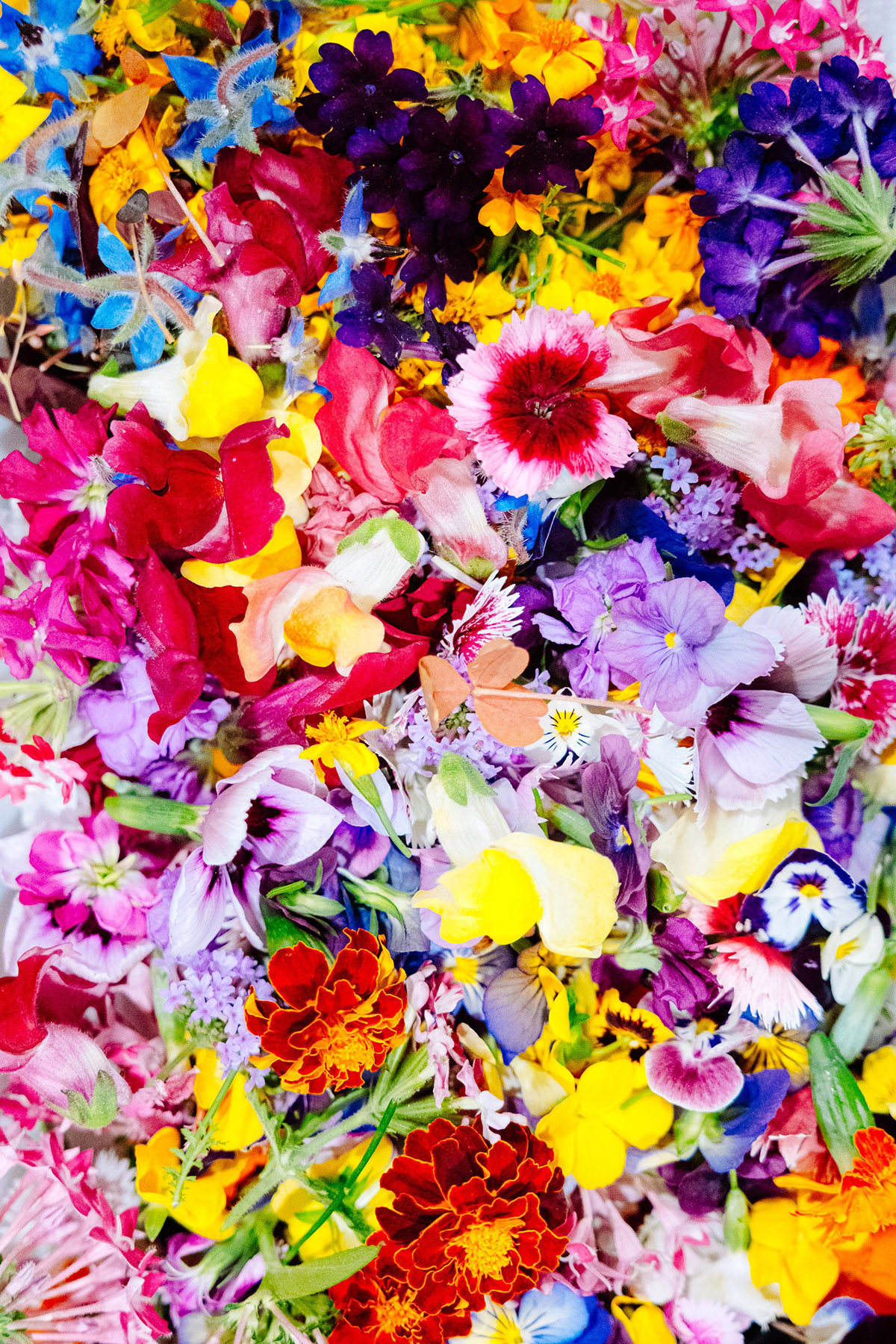

Edible flowers can be beautiful, but their appeal goes far beyond appearance.
Some taste sweet and perfumed. Others are peppery, herbal, onion-like, cucumber-fresh, tart, or gently spiced. A flower that works beautifully with berries and cream may taste completely out of place on a tomato salad. Another that looks delicate may carry enough heat to change an entire dish.
Learning to use edible flowers begins with flavor.
Once you understand what a flower tastes like, it becomes easier to choose where it belongs. Roses can soften into berries, cream, tea, and citrus. Nasturtiums bring peppery brightness to salads and cheese. Chive blossoms offer a mild onion flavor, while borage brings a fresh note often compared with cucumber.
This guide organizes familiar edible flowers by flavor rather than color. It is intended to help beginners move beyond using flowers as decoration and begin treating them as ingredients.
You do not need a large edible-flower garden or a complicated recipe. Begin with one flower you can identify and source confidently. Taste a small amount. Notice its sweetness, bitterness, fragrance, heat, or freshness. Then pair it with familiar ingredients that carry similar or complementary qualities.
Table of Contents
Before Eating Any Flower

Correct identification matters more than appearance.
Never assume that a flower is edible because it resembles one you have seen in a photograph, appears on a general list, or grows beside an edible plant. Similar-looking plants may have very different properties.
Before serving a flower:
- confirm the exact plant
- use a reliable botanical or horticultural source
- verify that the species and relevant plant part are edible
- make sure it was grown for culinary use
- avoid flowers treated with products not intended for food crops
- introduce unfamiliar flowers in small amounts
- tell guests when flowers have been used as ingredients
Do not use flowers from conventional florist arrangements, garden centers, nurseries, roadsides, sprayed lawns, or unknown gardens. Flowers sold for ornamental use may have been treated with substances that are not intended for food.
Even a correctly identified edible flower can contain parts that are unpleasantly bitter. Depending on the species, you may want to remove stems, leaves, sepals, stamens, pistils, or the pale base of the petals.
Edible flowers can also cause individual sensitivities. Try one new flower at a time and begin with a modest amount rather than covering an entire meal with unfamiliar ingredients.
Harvesting and Preparing Edible Flowers

If gathering flowers from your own garden, choose clean, recently opened blooms.
Morning is often a practical time to harvest, after moisture on the plant has dried but before the day becomes hot. Select flowers that are fresh and free from obvious damage, insects, or disease.
After gathering:
- Inspect each flower closely.
- Shake it gently to dislodge small insects.
- Remove damaged petals and unwanted plant parts.
- Rinse only when appropriate and necessary.
- Dry carefully so the petals are not crushed.
- Keep the flowers cool until needed.
- Add delicate blossoms shortly before serving.
Many flowers are at their best on the day they are picked. If they need to be held briefly, store them according to the needs of the particular flower, protected from crushing and excess moisture.
Once you know which flowers are edible, one of the easiest ways to use them is in homemade floral syrup for drinks, desserts, and garden gatherings.
Taste Before You Decorate

The same flower can vary in strength according to variety, growing conditions, freshness, and which part is tasted.
Before adding flowers to a finished recipe, taste a small piece on its own.
Ask:
- Is it sweet, bitter, tart, peppery, or herbal?
- Is the fragrance stronger than the flavor?
- Does the taste linger?
- Would it be better whole, torn, or used only as petals?
- Does it need sweetness, salt, fat, acidity, or another herb for balance?
Flowers are often best used with restraint. A few petals can provide fragrance, color, and interest without overwhelming the food.
Sweet and Floral Edible Flowers
Sweet and perfumed flowers are natural companions for fruit, cream, honey, tea, citrus, cakes, and other simple desserts.
They can also be used in syrups, sugars, jellies, drinks, and delicate garnishes.
Rose

Flavor: Floral, fragrant, gently sweet, and sometimes lightly fruity or spicy
Good pairings: Strawberries, raspberries, cherries, citrus, pistachio, almonds, cardamom, chocolate, cream, honey, and tea
Ways to use it:
- scatter petals over berries
- make rose sugar
- infuse petals into syrup
- add a restrained amount to whipped cream
- decorate cakes, cookies, or panna cotta
- combine with mint in a sparkling drink
- use dried culinary petals in tea

Roses vary significantly in fragrance and flavor. A strongly perfumed garden rose may be more useful in the kitchen than a beautiful variety with little scent.
Use only roses that have been correctly identified and grown without unsuitable treatments. Remove the pale base of each petal if it tastes bitter.
Beginner pairing: Strawberries, a small amount of sliced rose petals, mint, and lightly sweetened cream
Violets

Flavor: Sweet, delicate, floral, and sometimes lightly green
Good pairings: Berries, lemon, vanilla, cream, honey, chocolate, and tea
Ways to use them:
- make violet syrup or sugar
- candy the flowers
- scatter them over fruit
- decorate small cakes and cookies
- add them to tea
- float them in drinks
- freeze them into ice cubes

True violets, including sweet violets and correctly identified wild violets, are usually smaller and more delicate than garden pansies. Their flavor may be more noticeably sweet and floral.
Use only positively identified plants gathered from clean, unsprayed areas or grown specifically for culinary use.
Beginner pairing: Violet syrup with lemon and sparkling water
Violas and Pansies

Flavor: Mildly sweet, green, floral, or faintly wintergreen-like; often stronger than true violets
Good pairings: Berries, citrus, cucumber, soft cheese, salads, cookies, and cakes
Ways to use them:
- decorate cupcakes and cakes
- press them onto iced cookies
- add them to fruit platters
- float them in drinks
- place them over soft cheese
- separate the petals for salads
- freeze them into decorative ice

Pansies and the smaller flowers commonly sold as violas are closely related members of the Viola genus. Pansies generally have larger, rounder blooms, while garden violas and Johnny-jump-ups tend to be smaller and more delicate.
Their main culinary strength is visual, although they can contribute a mild green or floral flavor.
Beginner pairing: Lemon cake with fresh violas or pansies added shortly before serving
Flavor: Mild, green, slightly sweet, or faintly wintergreen-like, depending on the variety
Good pairings: Berries, citrus, soft cheese, cucumber, salads, cookies, and cakes
Lilac

Flavor: Floral, lightly bitter, and sometimes citrus-like or green
Good pairings: Lemon, blueberries, blackberries, cream, honey, vanilla, and tea
Ways to use it:
- make lilac sugar
- infuse a simple syrup
- decorate lemon desserts
- sprinkle individual florets over fruit
- add a small amount to iced tea
- infuse into honey

Lilac fragrance can suggest a much stronger flavor than the flower actually provides. The taste may be subtle and slightly bitter, so pairing it with lemon, berries, or sweetness can help.
Remove each small floret from its green stem before culinary use.
Beginner pairing: Lilac syrup with lemon and sparkling water
Lavender

Flavor: Floral, herbal, resinous, and slightly bitter
Good pairings: Lemon, blackberry, blueberry, peach, apricot, honey, vanilla, chocolate, and rosemary
Ways to use it:
- add a small amount to shortbread
- make lavender sugar
- infuse cream or syrup
- combine with lemon in drinks
- add to tea blends
- pair with berries
- use sparingly in cake or glaze

Lavender can easily become overpowering. More is rarely better.
Use culinary lavender and begin with a smaller amount than you think you will need. Its role should usually be a gentle aromatic note rather than the dominant taste.
Beginner pairing: Lavender, lemon, honey, and sparkling water
Elderflower

Flavor: Floral, fruity, lightly honeyed, and sometimes reminiscent of pear or citrus
Good pairings: Lemon, lime, cucumber, strawberry, gooseberry, apple, pear, mint, and sparkling water
Ways to use it:
- make elderflower cordial
- infuse syrup
- add to sparkling drinks
- pair with strawberries
- flavor light cakes or glazes
- use in jelly
- combine with cucumber and lime

Elderflower has enough flavor to become the central botanical note in a drink or dessert, but it still benefits from bright ingredients such as citrus.
Correct identification is essential, and the flowers should be separated from as much of the green stem material as practical before use.
Beginner pairing: Elderflower cordial, cucumber ribbons, lime, and sparkling water
Peppery and Spicy Edible Flowers
Peppery flowers are especially useful in savory food.
They can add both color and flavor to salads, sandwiches, eggs, vegetables, soft cheeses, and bread. Unlike many sweet flowers, these often taste similar to the leaves or roots of the plant.
Nasturtium

Flavor: Peppery, bright, and similar to watercress or radish
Good pairings: Soft cheese, eggs, cucumber, tomatoes, potatoes, avocado, beans, herbs, and salad greens
Ways to use it:
- add whole flowers to salads
- mix chopped petals into butter
- place petals on sandwiches
- fill larger flowers with seasoned cheese
- garnish eggs or savory tarts
- blend into pesto
- decorate vegetable platters

Both the flowers and leaves can carry noticeable heat. The flowers are beautiful enough to become a focal point, but their flavor should be treated as part of the recipe rather than as a neutral garnish.
Beginner pairing: Goat cheese, cucumber, herbs, and torn nasturtium petals
Arugula Flowers

Flavor: Peppery, nutty, and similar to arugula leaves, often somewhat milder
Good pairings: Tomatoes, Parmesan, lemon, olive oil, beans, pasta, eggs, and soft cheese
Ways to use them:
- scatter over tomato salad
- garnish pasta
- add to crostini
- use on pizza after baking
- sprinkle over eggs
- add to a green salad
Allowing a few arugula plants to flower can provide a delicate garnish with a flavor already familiar to many people.
Beginner pairing: Tomato, mozzarella, olive oil, and arugula flowers
Radish Flowers

Flavor: Peppery and radish-like, generally lighter than the root
Good pairings: Butter, bread, cucumber, avocado, eggs, potatoes, and salads
Ways to use them:
- garnish radish toast
- scatter over buttered bread
- add to potato salad
- use with eggs
- decorate a vegetable platter
- mix into a leafy salad
Radish flowers are useful when the roots have already become too woody or hot to enjoy. Letting a few plants continue flowering extends their usefulness in the kitchen.
Beginner pairing: Buttered bread, thinly sliced radish, salt, and radish blossoms
Mustard Flowers

Flavor: Mustardy, peppery, and sometimes gently hot
Good pairings: Cheese, eggs, potatoes, beans, leafy greens, sandwiches, and roasted vegetables
Ways to use them:
- add to salads
- garnish egg dishes
- scatter over roasted vegetables
- use in savory butter
- add to cheese boards
- place over open-faced sandwiches
Their cheerful yellow color can make a familiar savory dish look more seasonal while reinforcing flavors already present in mustard greens or seeds.
Beginner pairing: Egg salad, herbs, and a small scattering of mustard flowers
Chive Blossoms

Flavor: Onion-like, savory, and sometimes surprisingly strong
Good pairings: Potatoes, eggs, soft cheese, cucumber, tomatoes, bread, butter, and salad greens
Ways to use them:
- pull apart the flower head and scatter individual florets
- mix into softened butter
- add to cream cheese
- garnish potato dishes
- sprinkle over eggs
- infuse into vinegar
- use on savory biscuits
A whole blossom head can be too strong and awkward to eat. Separating it into tiny florets distributes the flavor more evenly.
Beginner pairing: Chive-blossom butter on warm bread or new potatoes
Herbal and Savory Edible Flowers
Many culinary herbs produce flowers that echo the flavor of their leaves.
The blossoms are often more delicate in texture and may be milder, sweeter, or more aromatic. They are especially useful when an herb has begun flowering but you still want to use it in the kitchen.
Basil Blossoms

Flavor: Basil-like, aromatic, and sometimes slightly sweeter or sharper than the leaves
Good pairings: Tomatoes, mozzarella, peaches, strawberries, pasta, soft cheese, and olive oil
Ways to use them:
- garnish tomato salad
- scatter over pasta
- add to flatbread
- place over soft cheese
- pair with summer fruit
- use in herb butter
- add to drinks with strawberry or lemon
Different basil varieties produce noticeably different blossoms. Lemon basil, Thai basil, cinnamon basil, and traditional sweet basil can each suggest different pairings.
Beginner pairing: Tomatoes, mozzarella, olive oil, and sweet basil blossoms
Dill Flowers

Flavor: Fresh, grassy, and strongly dill-like
Good pairings: Cucumber, potatoes, eggs, pickles, yogurt, carrots, bread, and creamy sauces
Ways to use them:
- add to cucumber salad
- garnish potato dishes
- include in pickling
- sprinkle over eggs
- use in yogurt dip
- add to savory bread
- decorate a vegetable platter
Dill flowers are useful both as a garnish and as a seasoning. Their branching yellow flower heads can be separated into smaller pieces for easier eating.
Beginner pairing: Cucumber, yogurt, lemon, and dill flowers
Fennel Flowers

Flavor: Sweet, herbal, and anise-like
Good pairings: Citrus, tomatoes, apples, pears, potatoes, beans, bread, and soft cheese
Ways to use them:
- scatter over citrus salad
- garnish roasted vegetables
- add to tomato dishes
- sprinkle over soft cheese
- use with apple or pear
- add to savory crackers
- infuse into syrup or vinegar
The tiny yellow flowers can provide a concentrated note of fennel without adding the texture of chopped stems or fronds.
Beginner pairing: Orange slices, olive oil, salt, and fennel flowers
Mint Flowers

Flavor: Cooling, herbal, and mint-like, usually milder than the leaves
Good pairings: Berries, melon, cucumber, chocolate, citrus, tea, peas, and yogurt
Ways to use them:
- add to fruit salad
- float in cold drinks
- garnish chocolate desserts
- scatter over cucumber dishes
- use in tea
- add to yogurt
- freeze into ice cubes
Mint flowers are small and visually delicate, making them easy to scatter without overwhelming a dish.
Beginner pairing: Watermelon, cucumber, lime, and mint flowers
Thyme Flowers

Flavor: Earthy, herbal, and gently thyme-like
Good pairings: Mushrooms, potatoes, bread, beans, tomatoes, cheese, lemon, and roasted vegetables
Ways to use them:
- garnish soup
- scatter over roasted vegetables
- mix into butter
- add to cheese
- decorate savory bread
- sprinkle over tomatoes
- pair with lemon in a dressing
The tiny flowers can be used with their tender tips when the stems are soft enough to eat.
Beginner pairing: Goat cheese, honey, and a small amount of thyme flowers
Rosemary Flowers

Flavor: Piney, herbal, and generally milder than rosemary leaves
Good pairings: Lemon, potatoes, bread, beans, apples, pears, honey, and dark chocolate
Ways to use them:
- garnish focaccia
- add to lemon desserts
- scatter over roasted potatoes
- use with apples or pears
- add to herbal drinks
- decorate olive-oil cake
- use in savory butter
Their blue or violet color can be especially striking against pale foods.
Beginner pairing: Lemon olive-oil cake with a few rosemary blossoms
Sage Blossoms

Flavor: Herbal, earthy, and softer than mature sage leaves
Good pairings: Squash, brown butter, beans, apples, pears, bread, and soft cheese
Ways to use them:
- garnish squash dishes
- add to butter
- scatter over beans
- use on savory bread
- pair with apple or pear
- add to pasta
- decorate soft cheese
Use a restrained amount, particularly when other sage leaves are already included in the dish.
Beginner pairing: Roasted squash, brown butter, and sage blossoms
Fresh, Green, and Cucumber-Like Flowers
These flowers bring a fresh garden quality to food. They work particularly well with cucumber, melon, vegetables, light cheeses, cold drinks, and summer salads.
Borage

Flavor: Fresh, green, and cucumber-like
Good pairings: Cucumber, melon, strawberries, lemon, mint, soft cheese, yogurt, and sparkling drinks
Ways to use it:
- float the blue flowers in drinks
- freeze them into ice
- scatter them over cucumber salad
- add to fruit
- garnish yogurt dips
- place over soft cheese
- decorate cold summer soups

The brilliant blue flowers are one of the most visually distinctive culinary blooms. Their flavor is gentle enough to use in both sweet and savory settings.
Beginner pairing: Cucumber, lemon, sparkling water, and borage flowers
Squash Blossoms

Flavor: Mild, vegetable-like, and gently squash-flavored
Good pairings: Soft cheese, herbs, tomatoes, corn, eggs, beans, and summer vegetables
Ways to use them:
- fill with seasoned cheese
- add to quesadillas
- place on pizza
- tear into pasta
- cook with eggs
- add to soup
- fry in a light batter
Squash blossoms are generally treated more like a vegetable than a decorative flower. Their size and flexible structure make them suitable for stuffing.
Check inside each flower carefully before preparing it, since insects may be hidden within the petals.
Beginner pairing: Squash blossoms filled with ricotta, herbs, and lemon zest
Pea Flowers From Edible Garden Peas

Flavor: Mild, sweet, green, and pea-like
Good pairings: Peas, cucumber, lettuce, soft cheese, mint, lemon, and spring vegetables
Ways to use them:
- scatter over spring salads
- garnish pea soup
- decorate crostini
- use with soft cheese
- add to vegetable platters
- pair with mint
- place over chilled pasta salad
Use flowers only from edible garden peas that have been positively identified. Decorative sweet peas are not interchangeable with edible garden peas.
Beginner pairing: Peas, ricotta, mint, lemon, and edible pea flowers
Tart, Bright, and Tea-Like Flowers
Some flowers bring acidity, fruitiness, or a dry tea-like quality rather than obvious perfume.
These work well in drinks, syrups, fruit dishes, jellies, and recipes where sweetness needs contrast.
Hibiscus

Flavor: Tart, fruity, and cranberry-like
Good pairings: Orange, lime, pineapple, berries, ginger, cinnamon, mint, and honey
Ways to use it:
- brew into tea
- make syrup
- add to lemonade
- use in jelly
- combine with fruit
- make a sparkling drink
- add dried culinary hibiscus to a tea blend

Culinary hibiscus is often used dried. It provides both strong color and noticeable tartness, so it can serve as more than a garnish.
Beginner pairing: Chilled hibiscus tea, orange, honey, and sparkling water
Calendula

Flavor: Mildly peppery, tangy, earthy, or slightly bitter
Good pairings: Rice, eggs, salads, bread, butter, cheese, citrus, and vegetables
Ways to use it:
- separate and scatter the petals
- add to rice
- mix into butter
- garnish soup
- use in bread or biscuits
- add to salads
- sprinkle over eggs

Calendula petals bring strong yellow or orange color even when the flavor is subtle. The green base of the flower may be bitter, so the petals are usually the most pleasant part to use.
Beginner pairing: Calendula petals stirred into softened herb butter
Bachelor’s Buttons or Cornflowers

Flavor: Mild, delicately spicy, and lightly sweet
Good pairings: Lemon, berries, tea, soft cheese, salads, cakes, and honey
Ways to use them:
- scatter petals over salads
- decorate cakes and cookies
- add to tea blends
- float petals in drinks
- garnish soft cheese
- mix with other edible petals for a colorful finishing blend

Bachelor’s buttons are often used more for color than for strong flavor, but their petals add a gentle spicy-sweet note rather than functioning as a completely neutral garnish.
Use Centaurea cyanus that has been correctly identified and grown for culinary use. Pull the petals from the tougher green base before serving.
Beginner pairing: Lemon cake or shortbread with berries and scattered bachelor’s-button petals
Chamomile

Flavor: Apple-like, honeyed, herbal, and gently floral
Good pairings: Honey, apple, peach, apricot, lemon, oats, cream, and tea
Ways to use it:
- brew into tea
- infuse cream
- make chamomile-honey syrup
- add to cake
- pair with stone fruit
- use in panna cotta
- add dried flowers to tea blends

Chamomile has a familiar association with tea, but it can also bring a soft apple-like quality to desserts and fruit.
People with sensitivities to plants in the daisy family should use particular caution.
Beginner pairing: Chamomile tea with honey, lemon, and sliced peach
Dandelion

Flavor: Mildly sweet, earthy, honey-like, and sometimes bitter, especially as the flowers age
Good pairings: Honey, lemon, apple, citrus, tea, bread, eggs, greens, and soft cheese
Ways to use it:
- pull the yellow petals into salads
- make dandelion jelly
- infuse into syrup or tea
- bake the flower heads into fritters
- scatter petals over eggs or bread
- add to floral sugar
- use in spring drinks
Young flowers are generally milder than older blooms. The green base can be noticeably bitter, so pulling out the yellow petals often produces a more pleasant result.
Use only true dandelion, correctly identified and gathered from an area free from lawn chemicals, roadside contamination, and animal waste.
Beginner pairing: Dandelion petals, honey, lemon, and lightly brewed tea
Match the Flower to the Food
Choosing by color alone can lead to combinations that look beautiful but taste confused.
Instead, begin with the food and ask what kind of flower would support it.
| Flavor family | Flowers | Good pairings |
|---|---|---|
| Sweet and floral | Rose, violet, viola, pansy, lilac, lavender, elderflower | Berries, citrus, cream, vanilla, tea, honey |
| Peppery and spicy | Nasturtium, arugula, radish, mustard, chive blossoms | Cheese, eggs, potatoes, tomatoes, salads |
| Herbal and savory | Basil, dill, fennel, mint, thyme, rosemary, sage | Bread, vegetables, beans, fruit, butter, cheese |
| Fresh and green | Borage, squash blossoms, edible pea flowers | Cucumber, melon, peas, herbs, soft cheese |
| Tart and tea-like | Hibiscus, calendula, chamomile | Citrus, honey, fruit, tea, rice, baking |
A flower does not need to match every ingredient in the dish. It needs a reason to be there.
The reason might be flavor, fragrance, visual contrast, seasonal meaning, or a connection with an ingredient already present.
Choose the Flower by the Occasion

Different flowers also create different moods.
For a quiet afternoon tea, you might use:
- violets
- pansies
- lavender
- chamomile
- rose
For a summer garden lunch:
- nasturtiums
- borage
- basil blossoms
- dill flowers
- squash blossoms
For a fruit-and-dessert table:
- rose
- lilac
- violet
- elderflower
- lavender
For a savory bread-and-cheese gathering:
- chive blossoms
- thyme flowers
- rosemary flowers
- calendula petals
- nasturtiums
For a floral drink station:
- borage
- rose
- lavender
- elderflower
- hibiscus
- mint flowers
Choosing two or three compatible flowers creates a clearer experience than placing every available flower on the table.
Simple Ways to Begin

You do not need to prepare a flower-filled feast.
Try one of these small starting points:
- add borage to cucumber water
- scatter chive florets over potatoes
- place nasturtium petals on soft cheese
- add basil blossoms to tomato salad
- decorate lemon cake with violas
- stir calendula petals into herb butter
- add rosemary flowers to focaccia
- serve rose petals with strawberries
- make hibiscus-orange iced tea
- freeze mint flowers into ice cubes
Begin with a familiar food. Add one flower whose flavor makes sense. Taste before serving.
That is enough to begin learning.
Using Edible Flowers at a Gathering

If you are serving edible flowers to guests, offer a mixture of floral and non-floral foods.
Label unfamiliar ingredients, particularly in drinks, syrups, tea blends, compound butters, frostings, and dishes where the flowers may not remain visibly identifiable.
Avoid making every course floral. One botanical drink, one savory flower dish, and one decorated dessert can establish the theme without exhausting the palate.
For a more complete gathering plan, How to Host a Garden Gathering With Edible Flowers includes ideas for drinks, menus, flower bars, botanical activities, lighting, decorations, and take-home projects.
Grow What You Enjoy Using

Once you discover which flavors you enjoy, you can make more intentional choices about what to grow.
Someone who loves savory cooking may get the most use from:
- nasturtiums
- chives
- basil
- dill
- thyme
- borage
- squash
Someone interested in drinks and desserts may prefer:
- rose
- violet
- lavender
- chamomile
- hibiscus
- elderflower
Grow a manageable selection rather than assuming you need every edible flower.
A few reliable plants can provide enough blooms to experiment throughout the season while also adding beauty and pollinator activity to the garden.
Let Flavor Lead the Way

Edible flowers invite us to experience the garden through more than sight.
They can be sweet, peppery, herbal, fresh, tart, or gently spiced. They can echo familiar ingredients, introduce an unexpected contrast, or turn a simple seasonal food into something more memorable.
Begin with safety and correct identification. Source flowers intended for culinary use. Taste them before adding them to a recipe, and use enough to be meaningful without overwhelming the food.
Then let flavor guide the choice.
A rose belongs where its fragrance has something to say. A nasturtium belongs where its peppery brightness supports the dish. Chive blossoms can deepen a savory meal, while borage can make a summer drink feel as fresh as the garden itself.
The flowers do not need to cover the table.
A few well-chosen blooms can be enough to bring the season into the food and allow the garden to become part of daily life.
Leave a Reply