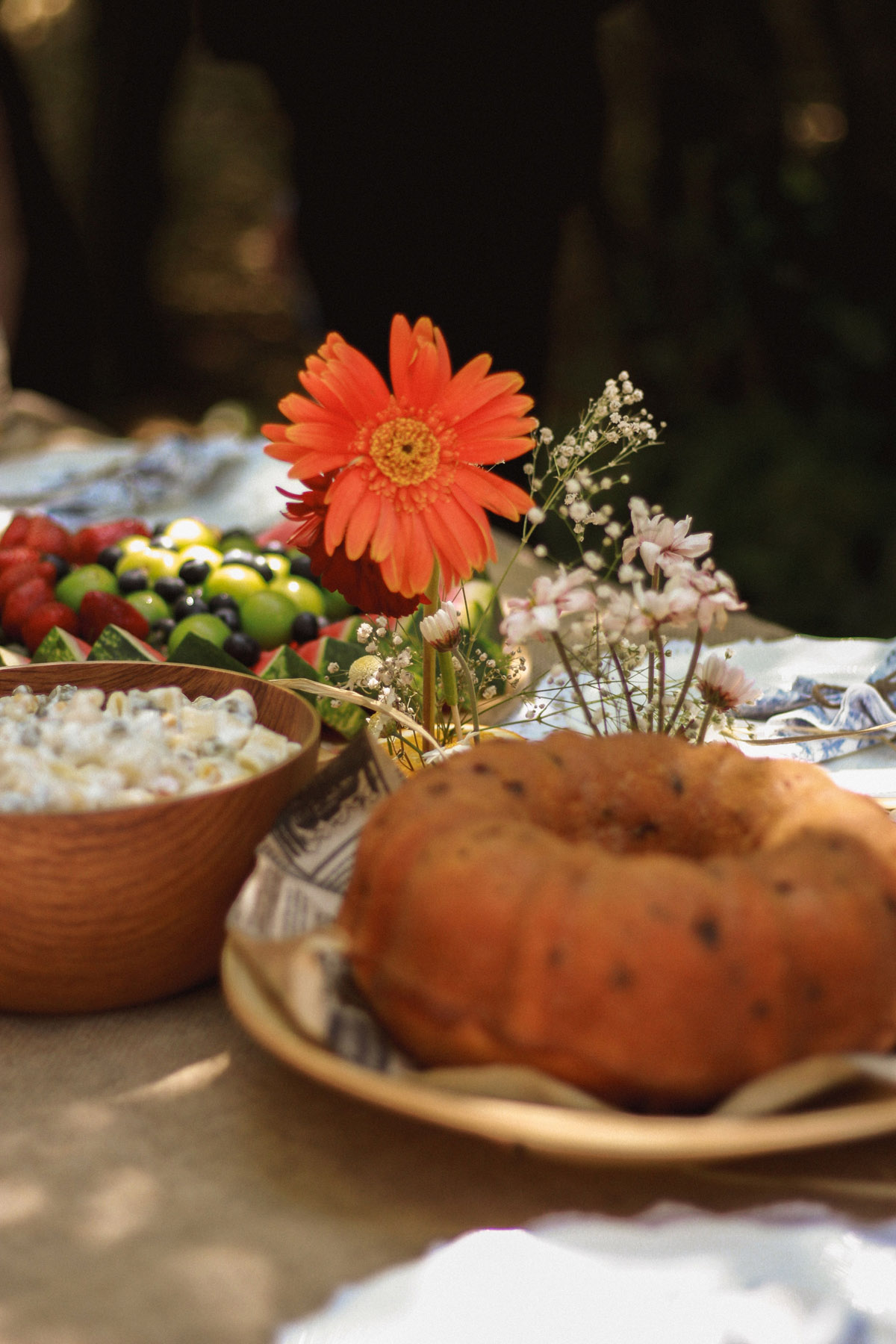

There is a quiet kind of beauty in gathering at home.
A few people around a table. A conversation that stretches longer than expected. Someone curled into a chair with a cup of tea. Children wandering in and out of the yard. A friend staying after dinner because the evening feels easy.
Home gatherings do not need to be elaborate to feel meaningful. They are often remembered for much smaller things: the way a chair was pulled into the shade, the way a drink was offered before anyone had to ask, the way the lights were soft enough to make the room feel calm, or the way someone felt truly considered while they were there.
At the heart of gathering is attentiveness. It is the quiet practice of noticing what people might need and preparing for some of those needs ahead of time. Enough places to sit. Something to drink. A place to put a coat or bag. A bathroom that is easy to find. A little shade if the afternoon is hot. A blanket if the evening cools. Food that does not make the host disappear into the kitchen all night.

A welcoming home is not built only through decor. It is built through care.
Gathering is also an act of exchange. We share food, stories, ideas, laughter, encouragement, and companionship. We offer something of ourselves, and we receive something in return. The most memorable gatherings are rarely one-sided. They create space for people to contribute, to be heard, and to feel that their presence matters.
If you have been creating more inviting spaces around your home and garden, you may also enjoy 15 Simple Ways to Create a Magical Evening Outdoors. This post turns toward the people we welcome into those spaces, and the small, thoughtful choices that help a gathering feel warm, comfortable, and beautifully human.
1. Begin With the Feeling You Want to Create

Before thinking about food, flowers, music, or table settings, pause and ask what kind of feeling you want the gathering to have.
Do you want it to feel calm and restorative? Cheerful and lively? Cozy and intimate? Easy and casual? More like an afternoon visit, a garden meal, a birthday, or a slow evening around the fire?
This matters because the feeling will shape the choices that follow. A quiet tea with a friend needs a different kind of attention than a family dinner on the deck. A summer evening gathering might call for lanterns, cool drinks, bug protection, and blankets. A winter gathering might need candles, soup, warm lighting, and places for boots and coats.
When the feeling is clear, the gathering becomes easier to plan. You are not trying to do everything. You are choosing the details that support the kind of experience you want people to have.
Flowers can be one of those supporting details, especially for a garden gathering, afternoon tea, or seasonal meal. When using edible blooms in food or drinks, their flavor matters as much as their appearance. This beginner’s guide to edible flowers by flavor can help you choose flowers that suit both the menu and the feeling you want to create.
2. Let the Gathering Be Simple Enough to Actually Happen

Many beautiful gatherings never happen because we imagine they need to be too much.
A full dinner. A spotless house. A perfect table. A whole day of preparation. A menu that requires constant attention.
The art of gathering at home often begins with making the plan simple enough to carry out with some ease. Tea and cake counts. Soup and bread counts. A pot of coffee on the porch counts. Garden drinks and a bowl of strawberries count. A fire pit evening with blankets and something sweet counts.
A simple gathering can still feel generous when it is done with care. Fresh flowers in a jar, water ready on the table, a few comfortable seats, a candle lit before people arrive, or a small tray of snacks can make even the easiest gathering feel intentional.
The goal is to create something people can relax into, including you.
3. Prepare a Few Places Where People Can Naturally Settle

When people come over, they may not want to stay in one place the whole time. The mood of a gathering often shifts as the light changes, the temperature changes, or the conversation changes.
It can be helpful to prepare two or three natural places where people might gather. This does not mean setting up the whole house. It simply means thinking ahead about where people may want to land.
Maybe there is a small place to sit near the entry or kitchen while drinks are being poured. Maybe the deck is the main place for conversation before dinner. Maybe the table is set for food, and later everyone moves toward the fire pit or living room. Maybe the porch works for a quiet conversation while the backyard is better for children, pets, or a larger group.
Even simple options help guests feel more at ease. A chair pulled into the shade, a bench near the garden, a small table for drinks, or a few extra seats near the main gathering area can make people feel less confined and more comfortable.
Think of these as gentle invitations: here is a place to sit, here is a place to talk, here is a place to step away for a quieter moment.
4. Think About Comfort Before Decoration

Beauty matters, but comfort is what allows people to stay.
Before adding flowers or candles, think through the ordinary needs of your guests. Is there enough seating? Is the sun too strong? Will the bugs be bad? Is the path easy to walk? Is there a place to set drinks? Will older guests need a chair with a back? Will someone be cold after sunset? Is the bathroom easy to find?
Small comforts are a quiet form of hospitality.
For an outdoor gathering, this might mean shade, bug spray, blankets, cushions, extra water, a trash bag nearby, and a few lights for when it gets dark. For an indoor gathering, it might mean a clear place for coats, enough room around the table, a candle in the bathroom, and drinks available without people having to ask.
Guests may not notice every thoughtful detail directly, but they feel the effect of them. Comfort lets people relax.
5. Use Food as a Gesture of Care

Food does not have to be impressive to be generous. It simply needs to feel considered.
A pot of soup, a loaf of bread, a salad, a simple dessert, a tray of fruit, a pitcher of lemonade, or tea after dinner can all carry a feeling of care. The most welcoming food is often food that allows people to feel included, nourished, and unhurried.
Think about what will make the gathering easier for your guests and for you. Are there dietary needs to consider? Would finger foods feel more natural than a formal meal? Would a make-ahead dish help you stay present? Would a self-serve drink station make people more comfortable?
Food is part of the atmosphere. A bowl of cherries on the table, herbs in the water, warm bread in a basket, or dessert brought outside at dusk can become part of the memory of the evening.
Seasonal details do not need to be elaborate. A few carefully chosen edible flowers can bring color, flavor, and a sense of occasion to drinks, salads, and desserts. This guide to edible flowers by flavor can help you choose blooms that suit what you are serving.
6. Set the Table With What You Have

A beautiful table does not require matching dishes or formal pieces. It can be made with what you already own.
Mismatched plates, cloth napkins, mason jars, candles, garden flowers, herbs, baskets, old serving bowls, and simple pitchers can all feel lovely when arranged with care. The point is not perfection. It is attention.
Try choosing one small element to make the table feel special. A jar of flowers. A linen cloth. A sprig of rosemary at each place. A bowl of seasonal fruit. A candle in the center. A pretty pitcher of water with mint or lemon.
Small details help signal that people were thought of before they arrived.
If the gathering is very casual, the table can be casual too. A tray on the porch, a blanket in the grass, or a simple outdoor table with flowers and drinks can feel just as welcoming as a more formal setting.
7. Create One Small Moment of Beauty

Every gathering benefits from one small moment of beauty.
It does not need to be expensive or elaborate. It might be flowers from the garden, candles on the table, a bowl of strawberries, a folded blanket over each chair, a pitcher of infused water, or a little vase in the bathroom.
These details are not only decorative. They help people feel that the gathering has been cared for. They make ordinary time feel slightly more memorable.
A small moment of beauty can also reflect the season. In spring, it might be lilacs or tulips. In summer, herbs, berries, lemonade, and garden flowers. In autumn, apples, candles, warm bread, or leaves. In winter, evergreens, soup, tea, and soft light.
Choose one thing. Let it be simple. Let it bring a little pleasure to the room, porch, table, or garden.
8. Make Conversation Easy

A gathering feels warmer when conversation has room to breathe.
This often has more to do with the setup than we realize. Chairs that face each other invite conversation. A table that is not too crowded feels more relaxed. Music kept low allows people to hear one another. A fire, dessert, tea, or a slow walk through the garden can give people something natural to gather around.
Good conversation is also a form of hospitality. Gathering is not only about serving food or creating a pleasant atmosphere. It is about making room for exchange. People want to feel heard as much as welcomed.

Ask questions. Be curious. Invite stories. Listen closely. Give people space to share what they know, what they are excited about, what they are learning, or what has been on their minds lately. When guests feel that they have something valuable to contribute, the gathering becomes richer for everyone.
You do not need to manage every silence. Some of the best gatherings include pauses, side conversations, laughter from another room, or people simply sitting comfortably together.
If guests do not know each other well, it can help to create an easy shared focus. Food on the table, a garden tour, a fire pit, a seasonal drink, a simple activity for children, or a dessert moment can give the gathering a natural rhythm.
The more comfortable the environment feels, the easier conversation usually becomes.
9. Let the Home Feel Lived-In and Cared For

People often feel most comfortable in homes that feel real.
A lived-in home has signs of life: books on a shelf, garden shoes by the door, a project in progress, children’s things tucked nearby, herbs drying in the kitchen, or a cat wandering through the room. These things do not have to be hidden completely for a gathering to feel beautiful.
There is a difference between neglect and life. A home can be tidy enough to welcome guests without feeling stripped of personality. A few cleared surfaces, a clean bathroom, a table ready for food, and comfortable places to sit may matter more than every corner being perfect.
A cared-for home does not need to feel staged. It can feel warm, useful, personal, and alive.
Guests are often more at ease when the house feels like a place where real life happens.
10. Pay Attention to Transitions

The beginning and ending of a gathering shape how people remember it.
Before guests arrive, think about the first few minutes. Where will they enter? Where should they put their things? Will they be offered a drink? Will they know where to go? Is there a clear place to sit if you are still finishing something?
These little transitions can make arrival feel smoother.

The ending matters too. A gentle closing can help a gathering feel complete. This might be tea after dinner, dessert by the fire, a slow walk outside, leftovers sent home, or simply standing at the door for a warm goodbye.
You do not have to rush people out or stretch the evening too long. Just notice the natural rhythm of the gathering and help it close with the same care it began with.
11. Anticipate Needs Before They Become Awkward

One of the most thoughtful parts of hospitality is anticipating needs before guests have to ask.
This does not mean trying to control the whole experience. It means noticing the ordinary things that help people feel comfortable.
Set out water before people are thirsty. Have extra toilet paper in the bathroom. Keep bug spray visible outdoors. Put a blanket nearby when the evening cools. Make sure there is a non-alcoholic drink option. Have a place for trash. Offer shade before the sun becomes uncomfortable. Keep a chair available for someone who may not want to stand.
These are small acts of attentiveness, but they can change the whole feeling of a gathering.
People feel cared for when their needs have been considered ahead of time.
12. Leave Room for the Gathering to Become Its Own Thing

Even thoughtful gatherings need breathing room.
Sometimes people linger in the kitchen instead of moving to the table. Sometimes everyone stays outside longer than expected. Sometimes dinner happens later, children run through the yard, someone tells a long story, or the evening turns quieter than planned.
A good gathering has enough structure to feel held and enough openness to feel alive.
Prepare what matters, then allow some flexibility. The weather may shift. The conversation may deepen. The mood may change. Guests may find their own favorite corner of the house or garden.
That is part of the beauty of welcoming people into a real home. The gathering becomes a shared experience, shaped by the people who are there.
Bringing People Into the Life You Are Creating

Gathering at home is one of the simplest ways to practice warmth, generosity, and attention.
It does not require a perfect house or a complicated plan. It asks us to notice. To prepare. To make room. To care about comfort as much as beauty. To think about how people will feel when they arrive, where they will sit, what they may need, and how the atmosphere of the home can help them relax.
The most meaningful gatherings are often built from ordinary things: a table, a few chairs, something to drink, food to share, light in the room, flowers from the garden, and enough ease for people to feel welcome.
They are also built through reciprocity. Through sharing and receiving. Through listening as well as speaking. Through creating an environment where everyone feels they belong and where everyone has something meaningful to offer.
In warmer months, that same spirit can move outdoors through a simple tea, supper, picnic, or high-summer or early summer garden gathering shaped around food, flowers, conversation, and the season itself.
Start small. Invite one friend for tea. Bring dessert outside after dinner. Set a simple table on the porch. Ask someone to stay for soup. Light a candle before they arrive.
A beautiful gathering begins long before the doorbell rings. It begins with the quiet thought: how can I make the people coming here feel cared for?
