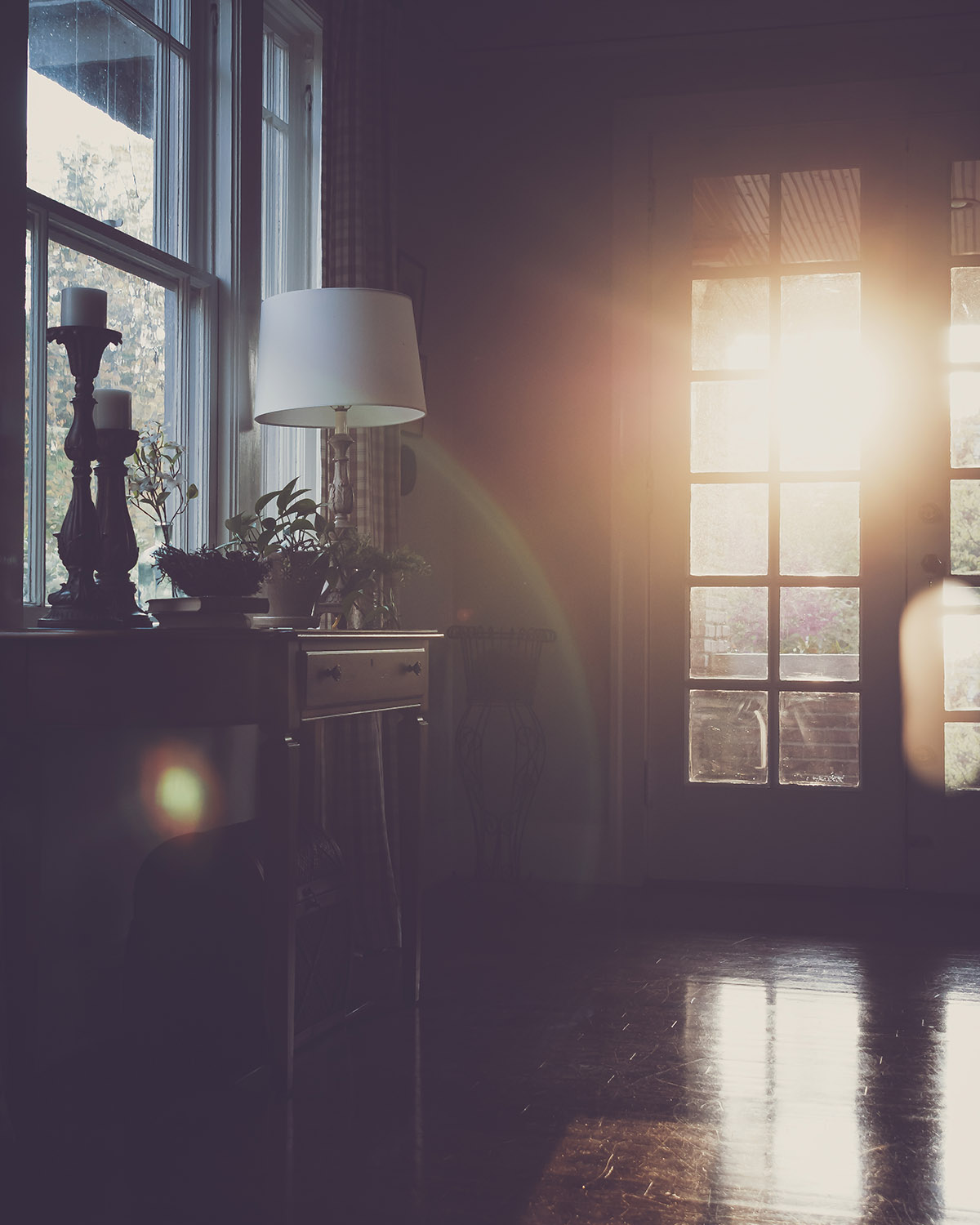

There is a certain version of slow living that looks like a complete escape.
A quiet cottage. A wide garden. A homemade loaf of bread cooling on the counter. No rushed mornings. No glowing phone beside the bed. No inbox, no deadlines, no errands, no traffic, no constant sense of being behind.
It is a beautiful image.
But most of us are not living inside that image.
Most of us still have jobs, bills, appointments, children, caregiving, dishes, laundry, messages to answer, groceries to buy, meals to make, and homes that need tending even when we are tired.
So if you want to know how to create a slower life, the answer may be smaller and more ordinary than you expect. You do not have to quit everything. You do not have to move away, abandon responsibility, or remake your whole life at once.
You can begin by changing how you move through the life you already have.
In this post, we’ll look at simple ways to live more intentionally without stepping away from your real obligations. We’ll talk about noticing where life feels rushed, creating small pauses, making your home support a calmer pace, saying no to false urgency, letting ordinary tasks become anchors, choosing fewer inputs, and building a little more seasonal rhythm into everyday life.
A slower life is not always about having less to do.
Sometimes it is about becoming less consumed by the pressure surrounding what has to be done.
Begin by Noticing Where Life Feels Rushed

Before you can slow anything down, it helps to notice where the pressure gathers.
Some parts of the day may feel rushed because they truly are full. Mornings before work, school drop-offs, dinner hour, appointments, and errands can all carry real time pressure. But other moments feel hurried because we have absorbed urgency without questioning it.
Maybe the morning feels chaotic because everything begins with the phone.
Maybe dinner feels stressful because there is no loose plan.
Maybe the house feels tense because every transition has become abrupt: from work to home, from errands to chores, from screens to sleep.
Maybe weekends feel strangely unsatisfying because they are filled with tasks but never given a rhythm.
Slowing down begins with attention. You do not have to fix your whole life at once. You can simply begin by asking:
Where do I feel most rushed?
What part of the day regularly feels harder than it needs to?
What am I trying to do too quickly?
What would make this one transition softer?
A slower life often begins in very practical places: getting the coffee ready the night before, keeping keys in one spot, giving yourself ten quiet minutes before bed, or deciding that not every errand has to happen today.
The first step is not dramatic change.
The first step is noticing.
Stop Treating Every Moment Like It Has to Be Productive

One of the quietest ways modern life speeds us up is by teaching us to use every spare moment.
We listen to something while cleaning. We scroll while waiting. We answer messages while resting. We turn hobbies into projects, projects into content, and quiet moments into opportunities to get ahead.
Even rest can become optimized.
A walk becomes exercise. Tea becomes a ritual. Reading becomes a goal. A hobby becomes something to improve, document, or monetize.
There is nothing wrong with using time well. But a slower life needs some moments that are allowed to remain plain.
A cup of tea does not have to become a full routine. A walk does not have to count toward anything. A quiet evening does not have to become a reset. Sitting for five minutes does not have to be justified.
Some parts of life are allowed to be unmeasured.
This can feel uncomfortable at first, especially if you are used to measuring your worth by output. But the ordinary pauses matter. They let your mind settle. They let your body catch up. They remind you that life is not only something to manage.
It is something to inhabit.
Create Small Pauses Between Things

A slower life is often built in the spaces between tasks.
You may not be able to change how full the day is, but you can sometimes change how sharply one thing crashes into the next.
A pause does not have to be long to be meaningful. It might be:
sitting in the car for one quiet minute before going inside
taking three breaths before opening the laptop
stepping outside before starting dinner
lighting a candle before evening chores
putting on music before cleaning
waiting before answering a message
standing by the window before moving to the next task
making tea before beginning a difficult conversation
turning on one lamp before the house moves into evening
These pauses are small, but they create a threshold. They tell your nervous system that you are not simply being dragged from one demand to another.
You are allowed to arrive.
You are allowed to shift.
You are allowed to take one breath before beginning again.
This is where slow living becomes very ordinary. It is not only about long afternoons in the garden or beautifully arranged breakfasts. It can also be the moment between coming home and starting the next responsibility.
Even one minute can change the tone.
Make Your Home Support the Pace You Want

Our homes are always giving us cues.
A pile by the door says hurry. A cluttered surface says deal with me. A phone on the nightstand says check me. Bright overhead lights in the evening say stay alert. A chair covered in things says there is nowhere to rest.
A slower life becomes easier when the home gently supports the pace you are trying to create.
This does not require a perfect house. It usually begins with very small, practical changes.
A place for keys makes leaving and arriving feel less scattered. A lamp in the evening softens the room. A basket beside the couch can hold the books you actually want to read. A tray can gather small clutter into one calmer place. A cleared corner can become a place for tea, journaling, flowers, or a quiet task.
In my own living room, I keep a picnic basket full of the books I’m most looking forward to reading beside the couch. Left loose, the books might have looked like laziness, like I simply didn’t put them away. In the basket, they become intentional. They are still within reach, exactly where I am most likely to pick one up, but they feel gathered rather than abandoned.
That is the kind of small shift that can change the feeling of a room.
And, to give credit where it is due, my husband is very committed to turning off the overhead light in the living room and turning on the lamp instead in the evening. He is right. The room changes immediately. It becomes softer, calmer, and more like a place where the day is allowed to come down.
Your home can help you slow down when it gives you gentle invitations:
a basket of books within reach
a lamp instead of harsh overhead light
a hook where the bag actually lands
a chair that is not covered in laundry
a small vase of flowers on the table
a phone charger away from the bed
a candle or lamp that marks evening
a tray for tea, remotes, or handwork
a seasonal detail that invites you to notice
These are not just decorating choices. They are rhythm choices.
If you want more ideas for making your home feel personal and supportive, DIY Home Decor Ideas for a More Personal, Meaningful Home pairs beautifully with this idea. Handmade details, thrifted pieces, baskets, trays, and small intentional changes can all help a home feel more lived in and more aligned with the pace you want to keep.
Practice Saying No to False Urgency

Some urgency is real.
A child needs care. A bill has a due date. A job has deadlines. Food has to be made. Appointments have to be kept.
But much of what makes life feel frantic is not true urgency. It is manufactured pressure.
A notification makes something feel immediate. A sale makes a purchase feel like it has to happen now. A trend makes you feel behind before you have even decided whether you care. Social media makes every season arrive early, every home look finished, and every interest seem like something you should already be doing beautifully.
A slower life asks us to become more discerning.
You do not have to answer every message immediately.
You do not have to buy something because it is temporarily discounted.
You do not have to decorate for a season the moment the internet tells you it has begun.
You do not have to turn every interest into a project.
You do not have to keep pace with people whose lives, resources, homes, schedules, and support systems are completely different from yours.
False urgency makes everything feel equally important. Slower living requires us to sort more carefully.
What actually needs attention today?
What can wait?
What pressure am I responding to that did not come from my real life?
What would happen if I moved more slowly here?
Sometimes the most powerful way to create a slower life is not to add anything new. It is to stop obeying pressures that were never yours to begin with.
Let Ordinary Tasks Become Anchors

Slower living does not mean ordinary work disappears.
There will still be dishes, laundry, meals, floors, errands, and clutter. There will still be repeated tasks that do not feel especially romantic.
But some ordinary tasks can become anchors when we stop treating them only as obstacles.
Watering plants. Folding towels. Opening windows. Feeding animals. Sweeping the porch. Making the bed. Washing a few dishes after dinner. Cutting fruit. Putting herbs in a glass of water. Setting the table, even simply.
These tasks do not have to become elaborate rituals. They do not have to be beautiful every time. They do not need candles, music, and a linen apron to count.
But they can become small points of return.
A slower life is often held together by these repeated acts. They give shape to the day. They remind us that care is not always dramatic. Sometimes it is ordinary, repetitive, and very small.
There is a difference between romanticizing exhaustion and noticing the meaning inside daily care.
You do not have to pretend chores are always lovely. Some days they are simply work. But when possible, one ordinary task can be done with a little more presence, a little more kindness, or a little less resentment.
Not every dish. Not every load of laundry. Not every meal.
Just one thing.
That can be enough to begin changing the atmosphere.
Many of these small repeated actions are also rituals: ordinary routines given meaning through attention, care, and repetition.
Choose Fewer, Better Inputs

A slower life is not only shaped by what we do.
It is also shaped by what we allow to enter our minds all day.
The accounts we follow, the newsletters we never read, the videos playing in the background, the shopping tabs, the constant stream of ideas, the opinions, the trends, the noise — all of it becomes part of the atmosphere we live inside.
Sometimes life feels too full because it is too full of inputs.
You may not be able to remove every demand from your life, but you can begin to reduce the unnecessary noise.
Unfollow accounts that make you feel behind.
Delete saved posts that no longer matter to you.
Unsubscribe from emails you never want to open.
Stop collecting ideas you do not have space to live.
Let silence be an option.
Choose music over scrolling.
Choose one book over twenty open tabs.
Choose a quiet room over constant background noise.
This does not have to become a harsh digital detox. It can simply be a soft clearing.
Your attention is part of your home life too. What you take in affects how you move through the rooms you live in, the people you speak to, and the work you are trying to do.
A slower life needs room in the mind.
Build Seasonal Rhythm Into Normal Life

One reason slow living appeals to so many of us is that it reconnects life with seasonality.
Modern life often feels the same all year. The same screens, the same lights, the same stores, the same pace, the same pressure to keep producing. Seasons become decorations instead of rhythms.
But a slower life can begin by letting the season matter in small ways.
In summer, that might mean eating outside, making floral syrup, bringing herbs into the kitchen, letting dinner be simpler, or walking through the garden in the evening.
In autumn, it might mean warmer light, soup, heavier blankets, dried flowers, and earlier nights.
In winter, it might mean fewer plans, more lamps, slower mornings, and a deeper respect for rest.
In spring, it might mean opening windows, clearing one corner, planting herbs, or noticing what is returning.
Seasonal rhythm does not have to be elaborate. It can be as simple as asking:
What is this season offering?
What does this season ask me to release?
What would make home feel more connected to this time of year?
What is one small thing I can savor before it passes?
If you want more seasonal inspiration, 20 Beautiful Ways to Celebrate June at Home and in the Garden, 15 Beautiful Garden Gathering Ideas for Early Summer, and A High Summer Garden Gathering: 18 Beautiful Ways to Gather Outdoors all offer gentle ways to bring seasonal beauty into ordinary home life.
Seasonality helps us remember that life is not meant to move at one speed forever.
There are times to grow. Times to gather. Times to repair. Times to celebrate. Times to rest.
Make Peace With an Imperfectly Slower Life

A slower life will not always feel slow.
Some weeks will still be crowded. Some mornings will still be rushed. Some days the phone will win. Dinner will be late. The house will be loud. Plans will change. Errands will take longer than expected. You will move too quickly through things you meant to savor.
That does not mean you failed.
Slow living is not a perfect aesthetic. It is not a personality type. It is not a life without stress, technology, mess, or obligation.
It is a repeated return.
A return to attention.
A return to what matters.
A return to the room you are standing in, the body you are living in, the home you are tending, and the life that is actually yours.
You are not trying to leave your real life behind.
You are learning how to inhabit it with more care.
Start With One Small Shift

You do not have to change your whole life this week.
Choose one small shift.
Put the books in a basket where you will actually reach for them.
Turn on the lamp instead of the overhead light.
Pause for one minute before entering the house.
Clear one surface.
Unfollow one account.
Make one meal feel less rushed.
Step outside before starting the next task.
Let one ordinary chore become a little softer.
A slower life is rarely created through one dramatic exit. More often, it begins with one quieter choice, repeated until the atmosphere of life begins to change.
The life you already have may still be full.
But it can also become more intentional.
More spacious.
More deeply inhabited.
And perhaps, slowly, more your own.
Leave a Reply