
There comes a point where the constant noise of modern life begins to feel impossible to ignore.
The endless scrolling. The pressure to move faster. The feeling that there is always something more to buy, improve, optimize, accomplish, or become.
Somewhere along the way, many of us have become disconnected from the quiet voice within ourselves — the one that knows what truly matters.
Heart & Hearth was born from a longing to return to that voice.
To slow down. To live more intentionally. To create a home and life that nourishes rather than depletes. To remember that even the smallest choices we make ripple outward into the world around us.
A thoughtfully chosen teakettle, for example, may seem insignificant at first glance. Yet an object selected with care — for its craftsmanship, longevity, materials, beauty, and harmony with the home around it — carries value beyond its practical purpose. The things we surround ourselves with shape the atmosphere we live within daily. In many ways, they quietly shape us as well.
Modern life often encourages disposability: disposable objects, disposable trends, disposable attention, even disposable relationships. When everything moves quickly, it becomes easy to lose touch with our values, our sense of meaning, and sometimes even ourselves.
I believe people are starving for something deeper.
Not necessarily perfection, luxury, or endless productivity — but meaning. Beauty. Purpose. Connection. A sense that life itself is sacred enough to be approached with care.
For years, I believed in these things philosophically while living almost entirely disconnected from them in practice.
I spent ten years working physically demanding jobs outdoors — first in tree work, then in propane delivery. Long days often stretched into evenings spent trying to keep up with gardens, projects, responsibilities, and endless ideas for the future. My mind was constantly full: books I wanted to read, skills I wanted to learn, projects I wanted to begin, dreams I wanted to build “someday.”
Someday, I would meditate regularly. Someday, I would start writing. Someday, I would slow down enough to build the life I envisioned.
But “someday” has a way of endlessly receding into the distance when life becomes centered around survival, productivity, and exhaustion.
Eventually, my body forced the pause I had been postponing for years.
Burnout is often spoken about lightly, but living through it has changed my understanding entirely. I have been surprised by how deeply it reaches — mentally, emotionally, physically, and spiritually. What initially felt frustrating slowly became revealing.
For the first time in years, I began noticing things again.
The feeling of sunlight filtered through intermittent cloud-cover. The relief of a cool breeze after heat. The rhythmic sound of rain striking the greenhouse roof, softening the sound of traffic in the distance. The comfort of beeswax candlelight in the evening. The grounding scent of cedar, frankincense, jasmine, and benzoin. The quiet luxury of a textured towel after a shower. The calm created by a clean and organized room.
I began to realize how profoundly environment affects the nervous system, the mind, and the spirit.
Beauty matters.
Not in the shallow sense of perfection or status, but in the deeper sense of harmony. Certain spaces nourish us. Certain objects carry warmth, memory, craftsmanship, and intention. A home filled with natural materials, meaningful objects, plants, handmade pieces, books, soft lighting, and thoughtful details feels fundamentally different from one built entirely around convenience, speed, and consumption.
Home, to me, is meant to be a refuge from artifice.
A place where the soul can exhale.
Over time, I also began noticing how disconnected modern life has become from the natural world that sustains it. Nature has always been a refuge for me. As a child, I climbed trees, explored forests, caught frogs, built tiny habitats in streams, walked across fallen logs, swam in cold water, and wandered outdoors for hours. Nature offered both adventure and solace — a reminder that beauty, rhythm, and intelligence exist far beyond human systems.
Even now, I find that nature restores something essential within me.
Gardening reminds me that growth cannot be rushed. The changing seasons remind me that rest is not failure. Flowers bloom briefly, asking to be appreciated while they are here. Rain nourishes quietly. Trees grow slowly. Nothing in nature appears anxious to become anything other than what it is.
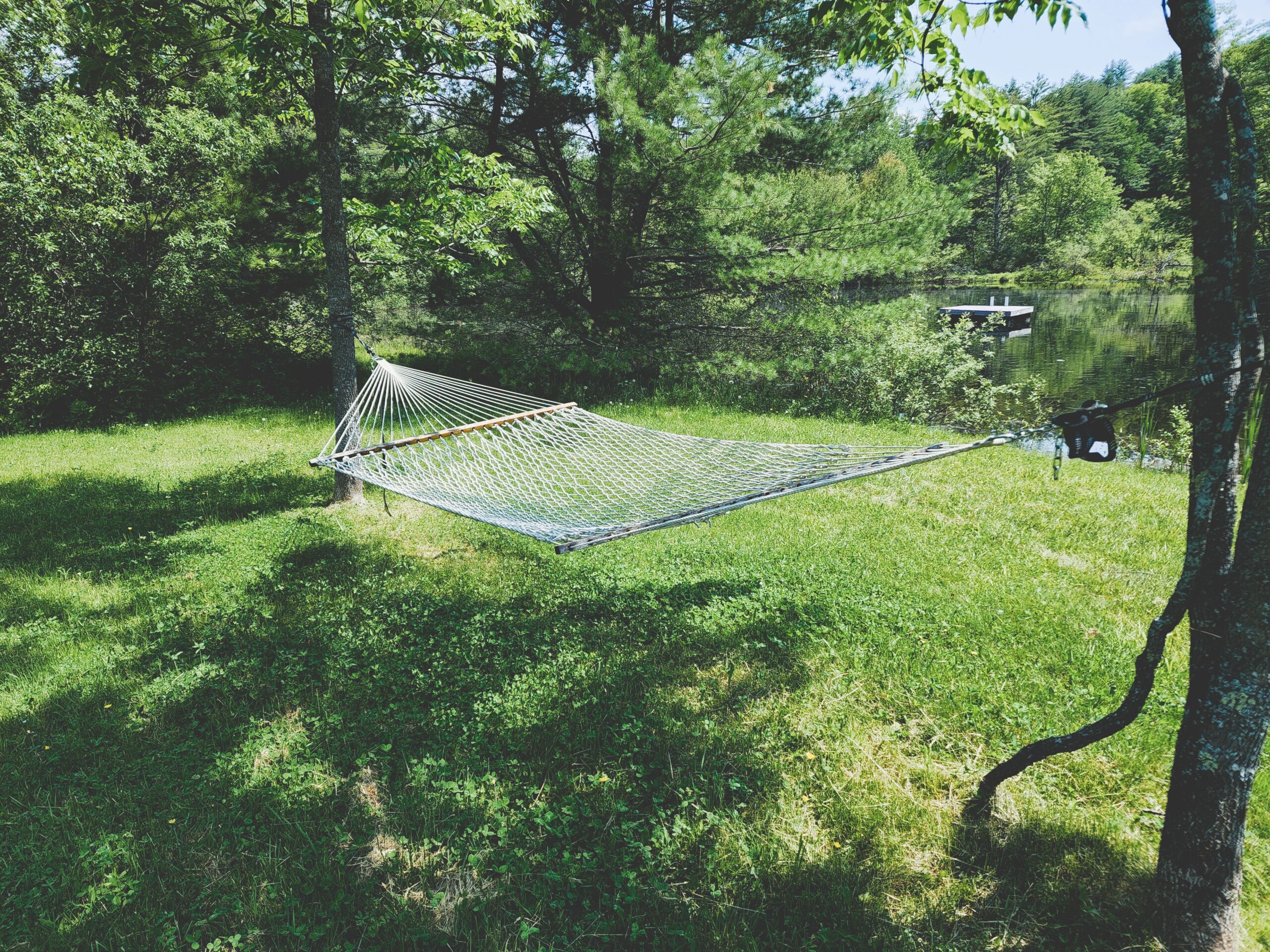
Recently, while walking back from the pond near my home after spending time writing and reflecting, I noticed a snapping turtle slowly making its way down the trail toward me.
The moment felt strangely symbolic.
The turtle seemed to embody everything this season of life has been trying to teach me: move steadily, protect your energy, carry your home within you, trust slow growth.
Snapping turtles are ancient creatures — grounded, armored, deliberate. They move between water and land, between instinct and embodiment, emotion and reality. Watching it disappear back into the landscape, I felt reminded that healing rarely happens all at once. It unfolds gradually through repeated acts of care, patience, attention, and rest.

In many ways, this realization sits at the heart of everything I hope to share here.
A meaningful life is cultivated.
A home is cultivated. Relationships are cultivated. Health is cultivated. Beauty is cultivated. Character is cultivated.
The things we value most rarely emerge instantly. The objects we cherish most are often those shaped slowly by human hands — things requiring time, patience, craftsmanship, and care. The same is true for gardens, homes, traditions, communities, and even ourselves.
I have spent much of my life struggling with perfectionism. For a long time, I believed that if something could not be done beautifully the first time, it was safer not to begin at all. Yet nature itself does not operate this way. Growth is iterative. Seasons are imperfect. Gardens fail and bloom again. Skill develops gradually through repetition, experimentation, play, and patience.
There is deep healing in allowing ourselves to participate imperfectly in the process of becoming.
Perhaps this is why handmade things feel so meaningful to us. We recognize, consciously or unconsciously, the life contained within them: the hours spent learning, the care taken in choosing materials, the attention given to color, form, texture, usefulness, and beauty. Care leaves an imprint.
And care, over time, nourishes life.
This extends far beyond objects or aesthetics. Every dollar we spend, every object we bring into our homes, every meal we prepare, every conversation we have, every act of hospitality, every choice to support local makers, artisans, small farms, or ethical businesses becomes part of a larger web of values and relationships.
Even small acts ripple outward.
A smile can soften someone’s difficult day. A garden can nourish pollinators and neighbors alike. A thoughtfully prepared meal can make someone feel loved. A peaceful home can restore an exhausted nervous system. One person choosing to live intentionally can quietly inspire others to do the same.
I believe many people are beginning to long for this reconnection.
Despite the chaos, noise, and fragmentation of modern life, I believe there is also a quiet awakening taking place — a growing desire for slowness, beauty, authenticity, craftsmanship, reciprocity, and deeper ways of living.
Not a return to the past, but a remembering.
A remembering that fulfillment does not come solely from consumption, distraction, status, or productivity. Fulfillment grows from relationship: relationship with ourselves, with one another, with nature, with our homes, with meaningful work, and with the deeper currents of life that sustain us.
This space is an expression of that remembering.
Here you will find reflections on home, nature, intentional living, seasonal rhythms, beauty, craftsmanship, gardening, hospitality, creativity, and the quiet art of shaping a life with care.
My hope is that Heart & Hearth feels like a breath of fresh air.
A place that reminds us to slow down. To notice what is beautiful. To create thoughtfully. To live in alignment with our deepest values. To build homes that nourish the people within them. To approach life itself as something worthy of reverence, participation, and care.
Not because perfection can be achieved all at once, but because the process of cultivating a meaningful life may itself be one of the most meaningful parts of being alive.
