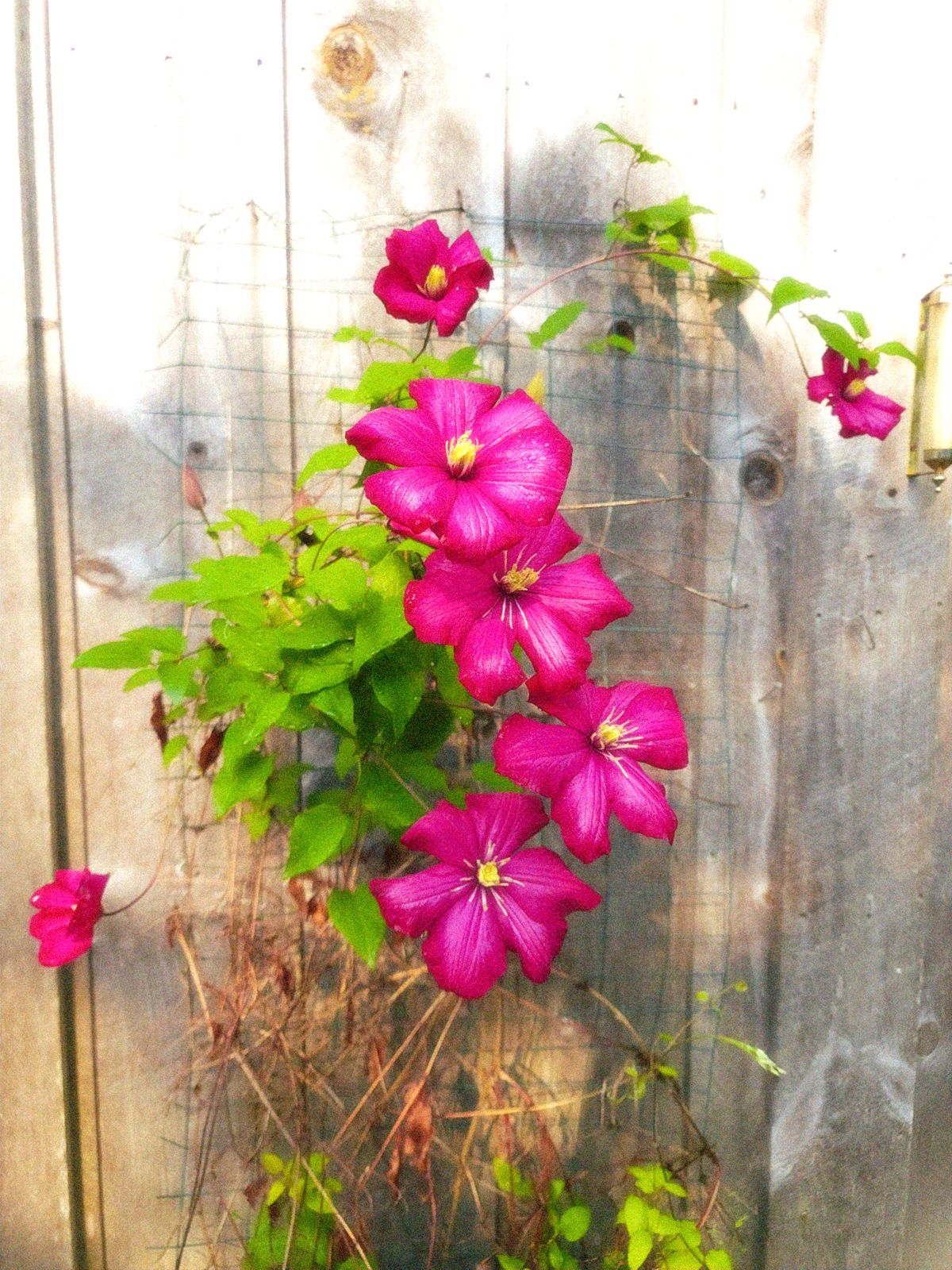

Playfulness, presence, openness, and trust in our ability to grow allow us to cross new thresholds, one by one, into fuller ways of being. As we grow, the impact we make on the world grows with us. Our expression becomes more graceful and assured. As we learn to recognize our own beauty, we become better able to notice, nurture, and create beauty around us.
We cannot grow while remaining entirely rigid. Growth requires flexibility, and flexibility becomes easier when we feel safe enough to relax. When we soften our constant vigilance, we begin to notice things we could not see before.
Survival mode is concerned with protection. It searches the surroundings for every possible threat. It is not looking for simple joy, because stopping to smell a flower might seem like a dangerous distraction from whatever could be hiding in the bushes behind us.
There are times when this alertness protects us. But when it becomes our usual way of moving through life, beauty, pleasure, curiosity, and play can begin to disappear from view.
Through mindful observation and the gentle tending of our wounds, we can slowly open ourselves to experiences we may not once have believed possible. We can begin to change impulses and reflexes that seem beyond our control, including those rooted in childhood, family patterns, heartbreak, fear, or difficult experiences.
It is hard work, but it is beautiful work.
Refining Without Erasing
To refine ourselves is a little like refinishing something treasured. The foundation of who we are may be strong and enduring, but that does not mean every layer belongs there forever. We can smooth rough places, repair cracks, remove what obscures the original beauty, and add color that better reflects who we have become.
The foundation matters because everything else rests upon it. Yet tending the foundation does not require us to tear ourselves down and begin again. Often, it is a process of uncovering what was already there.
Our homes undergo a similar process. We buy what we like and what we can afford. We arrange our belongings according to what we value, what we believe is possible, and sometimes even what we feel we deserve.
In our gardens, we grow things that comfort us, delight us, or nourish us physically. We create outdoor spaces where we can escape our sorrows for a while, experience simple pleasure, and spend time with people we love.
We may have ambitious dreams for what we want our home and garden to become. Those dreams will change over time, and that is not a failure of vision. Looking back, we can often see that each new version was better suited to the person we were becoming.
The reason those newer visions feel better is that they are often more closely aligned with who we truly are.
Uncovering What Is Already There
This is a process of uncovering: gently brushing away what dims our light. Sometimes the layer is thin. Sometimes it has been gathering for years.
We uncover that deeper foundation when we notice repeated family patterns and choose not to continue them automatically. We do it when we reconsider memories that have long been colored by fear, replace hopeless inner language with greater compassion, and interrupt cycles of rumination that prevent us from feeling safe in the present.
We do it when we finally pay attention to our needs and the needs of those around us. We slow down enough to hear the small, still voice within that has been waiting to be acknowledged.
That voice belongs to the truest part of us: the part that wants to live, create, love, and shine.
There may also be a younger part of us that was hurt, burdened, or asked to become serious too soon. That part still longs to play. With patience, we can begin to say: You are safe enough now. You are allowed to feel joy. You are allowed to come out and play.
The Home as a Place for Play
The home can become our own personal playground. It is a grown-up playground filled with grown-up joys: flowers, inviting rooms, comforting food, meaningful projects, beautiful furniture, soft blankets, garden paths, and the freedom to arrange life in ways that feel like our own.
We fill our homes with foods we enjoy and that nourish us. We make them safe. We tend to them, and in return, they tend to us.
We create places where we feel that we belong and where our belongings feel chosen rather than merely accumulated. As the home becomes a deeper reflection of the self, our roots settle more firmly into the life we are creating.
Refinement does not mean erasing everything imperfect. A gardener does not prune a tree because it has failed. Pruning helps light and air reach what is living. It removes what is damaged, overcrowded, or no longer fruitful so that the whole can grow with greater health and grace.
A Small Sign Along the Water
While walking to the larger pond recently, I noticed the first self-heal flowers of the year appearing near the water.

Self-heal, also called heal-all and sometimes heart-of-the-earth, is a small, easily overlooked plant with a long association with restoration. Its timing felt especially meaningful as I had been thinking about resilience, refinement, and the gentle work of tending what has been wounded.
I often notice it growing near water here, which made the moment feel even more fitting. Water has long symbolized emotion, intuition, memory, and the subconscious: the parts of life that move beneath the visible surface.
There was something quietly beautiful about finding a flower called self-heal beside it, as though the landscape were offering an image of what happens when we slow down enough to listen inwardly.
The plant made me think about the capacity for healing that already exists within us. This does not mean that we must do everything alone, or that every wound can be mended through willpower. It means that we are not entirely powerless in the presence of what has hurt us.
We can pay attention. We can seek support. We can recognize old patterns, listen more closely to our bodies, and make choices that create greater safety, freedom, and joy.
Sometimes nature seems to meet us with the right image at precisely the right moment. Perhaps those moments are always there, waiting for us to become quiet enough to notice.

There was self-heal growing close to the earth without fanfare, reminding me that healing is not always dramatic. Sometimes it begins beneath the surface, in places we cannot immediately see, before it finally rises into view.
We can offer ourselves the same care.
We can keep what is strong, tend what is wounded, release what has completed its purpose, and make room for joy to grow again.
A Gentle Practice
Choose one small area of your home or garden that feels heavy, neglected, overcrowded, or out of alignment.
Rather than asking how to make it perfect, ask what could be removed, repaired, softened, or added to help the space feel more alive.
As you work, consider whether there is something within you that is asking for the same kind of care.
Hearth Question
What part of my life is ready to be gently refined so that more light, beauty, and play can enter?